
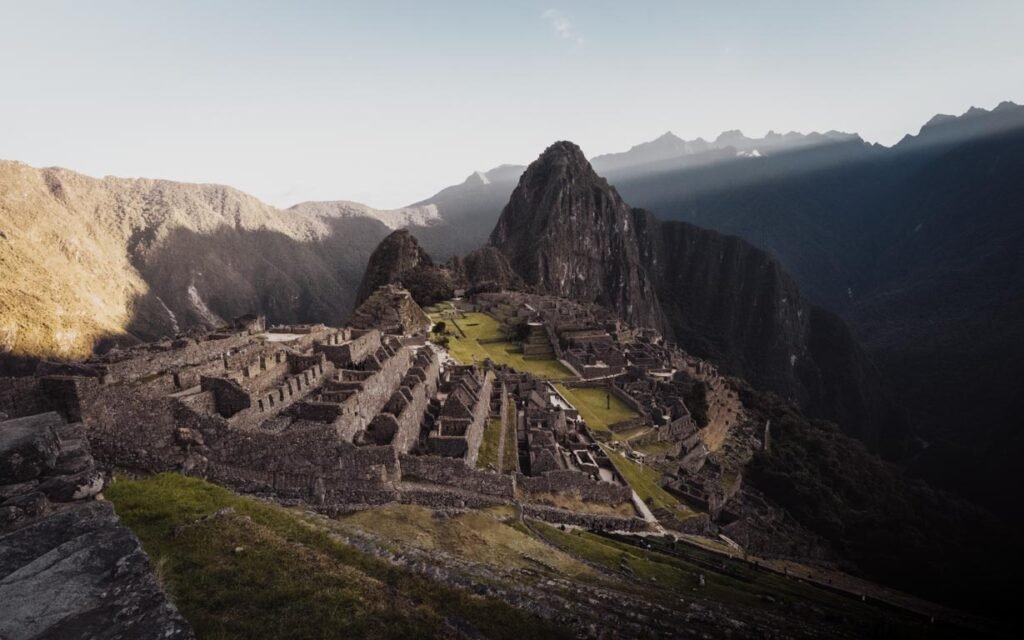
Most blogs say the best time to visit Machu Picchu is May to September, the dry season. That is true if you want the best chance of blue sky. But that advice often comes from people who went to Machu Picchu once.
For photography, we recommend March to May. It still rains, but the clouds in those months are the best part of the visit. Rain rarely lasts all day; often it is an hour at most. The real risk is a day when the sun never comes out and thick clouds do not move. So plan a backup day if you can. The risk is higher, but so is the reward.
The hour you enter matters as much as the month. Below we explain each season, each hour and which ticket gives you the classic view.
Machu Picchu weather by month
| Months | Season | Sky and light | Crowds |
|---|---|---|---|
| May–September | Dry | Mostly clear; hard light by 10 am | Highest (June–August peak) |
| April and October | Shoulder | Mix of sun and clouds; good soft light | Medium |
| November–March | Rainy | Clouds, mist, short showers, often afternoon rain | Lower |
Machu Picchu sits at about 2,430 m (7,970 ft), lower and warmer than Cusco. Mornings are cool all year; days are mild.
Is the rainy season a bad time to go?
Not for photographers. In the rainy season, mornings often start with low cloud filling the valley. As it lifts, Huayna Picchu appears and disappears behind the mist. Many of our favorite photos come from these mornings.
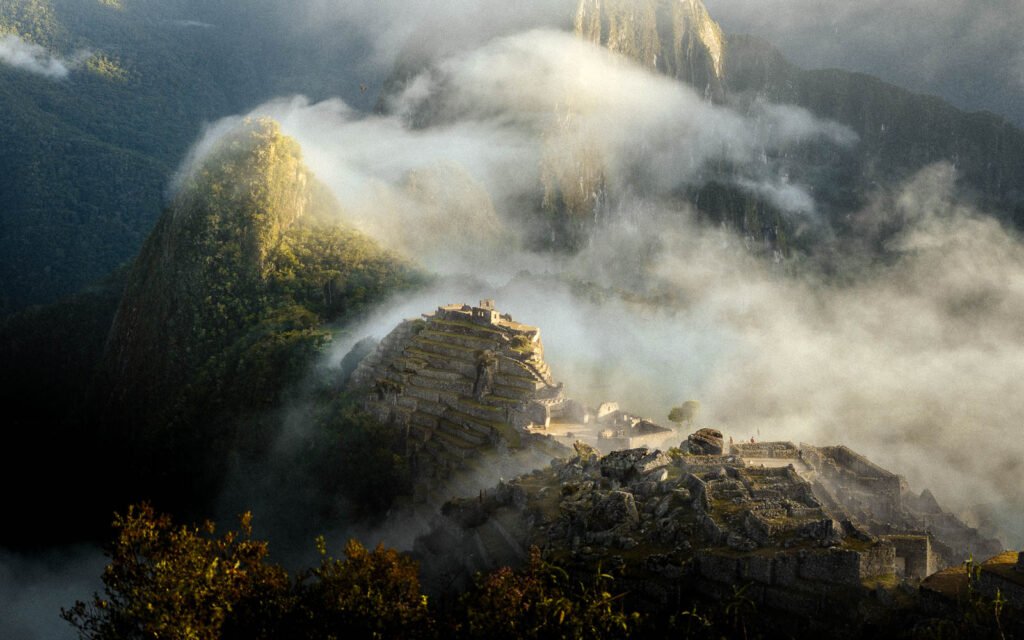
The risk is a full day of fog or heavy cloud. If your trip has only one day for Machu Picchu, the dry season is safer. If you can add a second day, the rainy months give more dramatic light and fewer people.
Note: the Inca Trail closes every February for maintenance. Machu Picchu itself stays open.
Morning or afternoon: what time of day is best?
The site opens at 6:00 am and closes at 5:00 pm. Entry is by hourly time slot, and you must enter within about 30 minutes of your slot.
| Entry time | Light | Crowds | Good for |
|---|---|---|---|
| 6:00–7:00 am | Mist, cloud lifting, soft light | Low inside; long bus line in Aguas Calientes before | Atmosphere, mist photos |
| 9:00 am–1:00 pm | Clearer, harder light | Busiest of the day | Detail of stonework |
| 2:00–4:00 pm | Warmer, lower light; rain possible in wet season | Quietest | Calm photos, long shadows |
If you want to see the sun rise over the mountains, know that clouds often block it. Mist is more common than a clean sunrise.
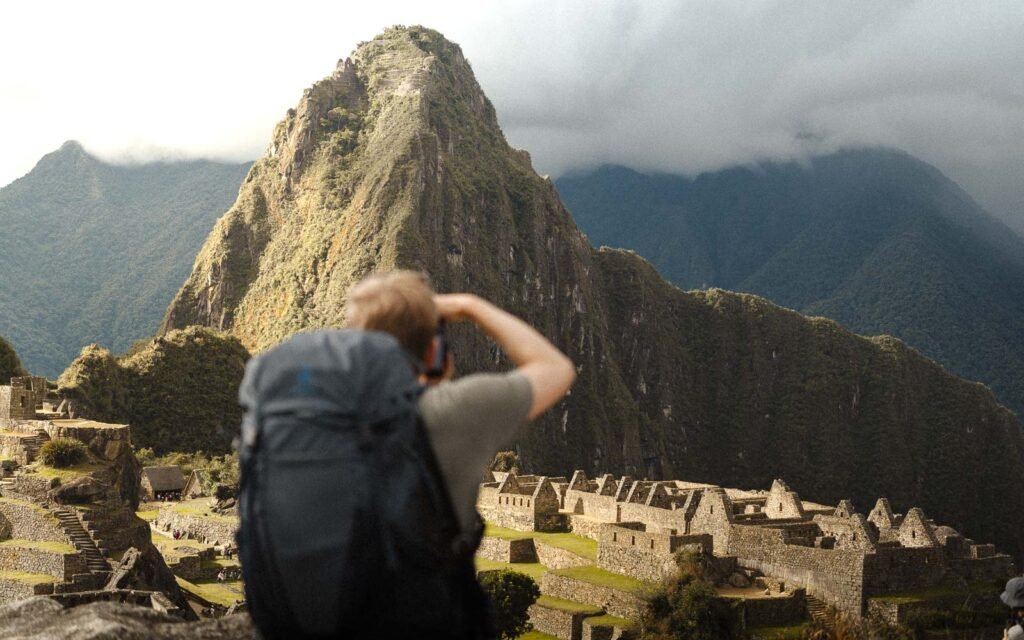
Which circuit gives the classic photo?
Since 2024, every ticket is tied to a circuit and a fixed route. Your ticket decides where you can stand.
- Circuit 1 (Upper Terrace, route 1-B): best for the classic postcard view from above.
- Circuit 2 (Classic): the most complete visit, with the upper view and the main temples. Sells out first.
- Circuit 3: lower areas and Huayna Picchu routes. Good for detail; some routes do not include the classic view.
- Mountain tickets (Machu Picchu Mountain, Huayna Picchu): longer hike, high views over the site.
For photographers, Circuit 1 or Circuit 2 is the safe choice for the classic shot.
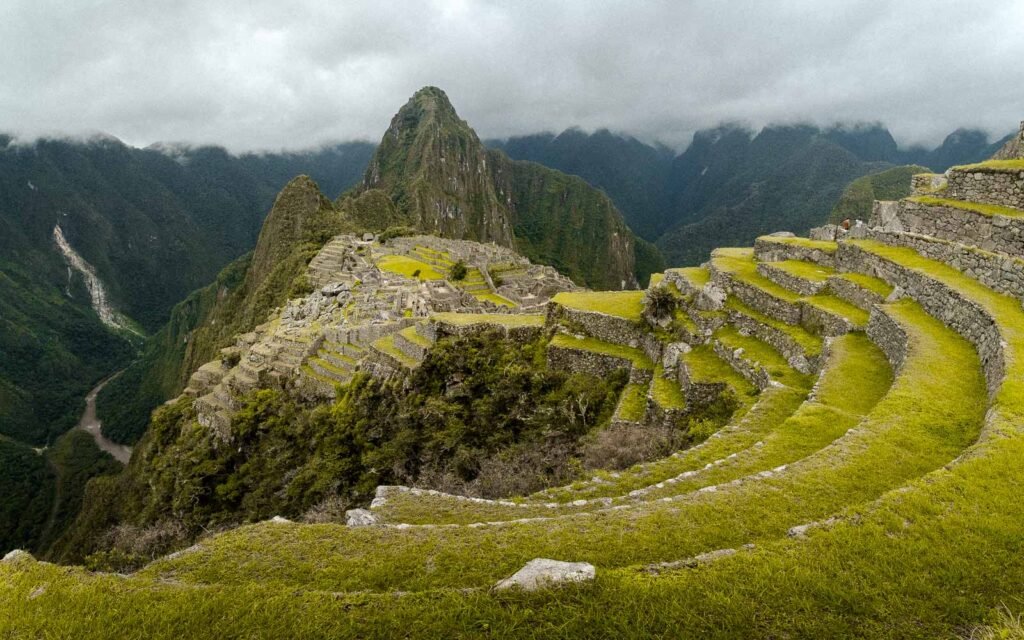
We plan the ticket, the entry hour and the viewpoints for you on our 4-day Cusco Bucket List photography tour.
When is Machu Picchu least crowded?
The hour matters most. Between 9:00 am and 1:00 pm the site is at its busiest. That is when day tours from Cusco arrive. From about 1:00 to 2:00 pm they start to leave to catch the train back.
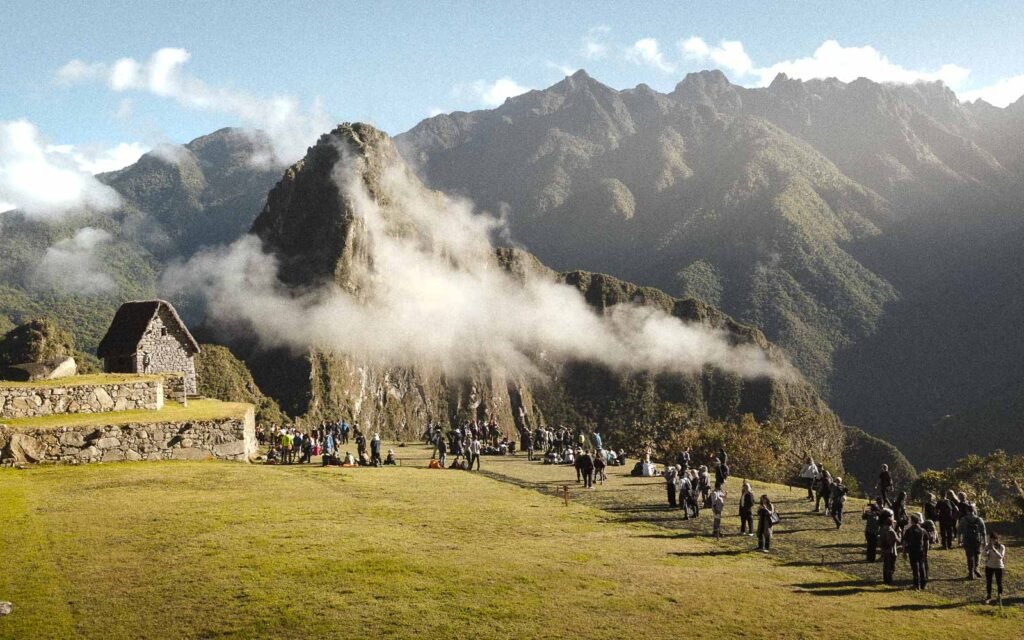
For photos with fewer people, choose the 6:00 or 7:00 am slots, or 2:00 to 4:00 pm. The site closes at 5:00 pm.
Our advice: decide where you want to take the photo of Machu Picchu before you go. Scout it online, ask your guide, or ask us. Then stay in that spot and wait for the light.
- Months: November to March, except the holidays around Christmas, New Year and Easter.
- Days: weekdays are quieter. On Sundays, entry is free for Cusco residents, so it gets busier.
How far ahead should I book?
- Dry season (May–September): 4–5 months ahead for tickets and trains. Circuit 2 and Huayna Picchu go first.
- Rainy season: a few weeks is often enough.
- Buy only on the official website or through a licensed agency. Tickets are non-refundable and tied to your passport.
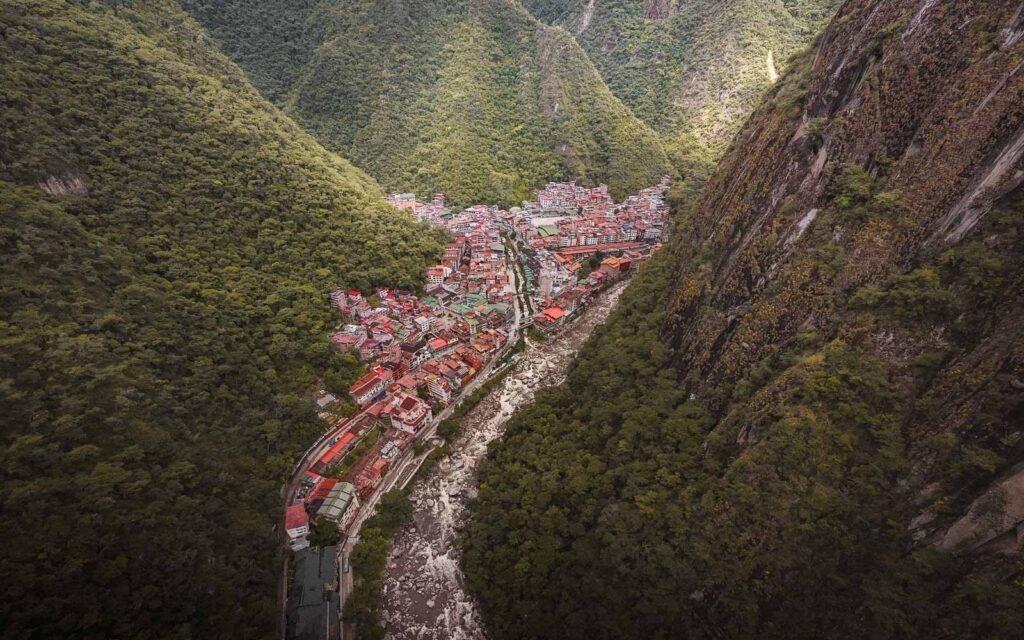
Photography tips for Machu Picchu
- Tripods are not allowed without a permit from the Ministry of Culture, and the permit takes a few months to get. Selfie sticks are not allowed either. Plan to shoot handheld.
- Drones are prohibited over Machu Picchu.
- Backpacks must be small: about 40 × 35 × 20 cm, or 30 liters or less. A small camera bag works.
- Bring a wide lens and a short telephoto (70 or 100 mm). Wide for the full site, telephoto to compress Huayna Picchu and the mist. Leave anything longer than 100 mm at the hotel.
- Use mist as a layer. Wait a few minutes; the cloud moves fast and changes the shot.
- Protect gear from rain. A rain cover for the camera is worth it in any season. Umbrellas are not allowed. Also bring a trash bag to put your backpack in. In heavy rain, no rain cover keeps everything dry.
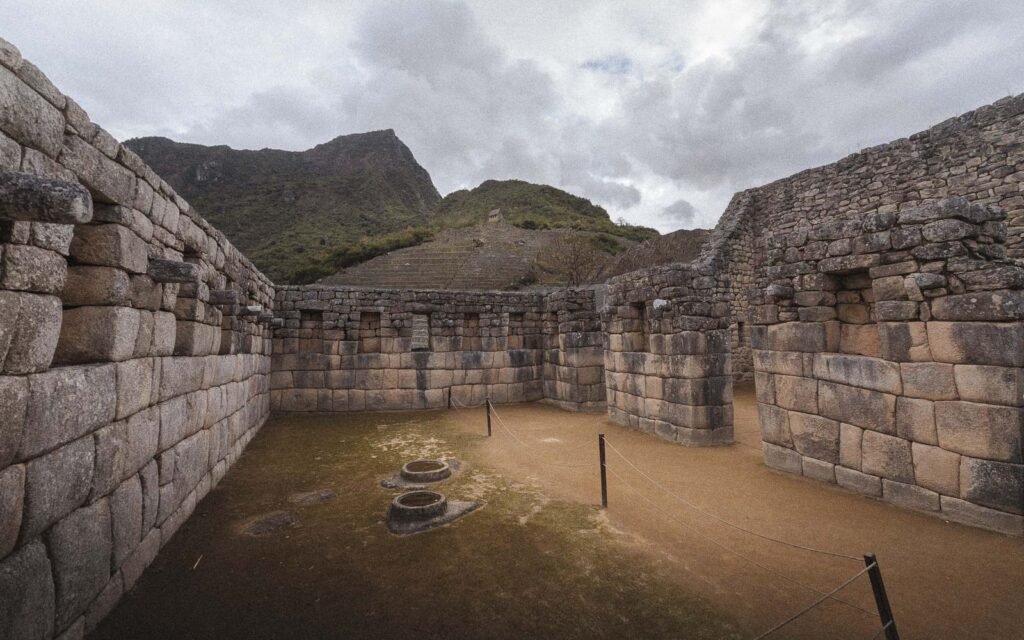
Most trips to Machu Picchu start in the Sacred Valley. Plan it with our Sacred Valley guide: altitude, weather and photo spots.
FAQ
What is the best month to visit Machu Picchu?
For most travelers, May and September: clear skies and fewer people than June–August. For photographers, March to May: more variety of light and clouds rolling over the mountains.
Is December a good time to visit?
Yes, if you can handle some rain. Mornings are often misty and good for photos. Between Christmas and New Year, many Peruvian travelers visit, so avoid the busiest hours and book early.
How long can I stay inside?
Your ticket lists a visit time by circuit, usually 2.5–4 hours. In our experience, staff do not rush you out. But every circuit is one way, and you cannot walk back. Make sure you have your shot before you leave a spot. There are no toilets inside.
Can I bring my camera bag?
Yes, if it is 30 liters or less. Large backpacks go to storage at the entrance.
Can I re-enter after leaving?
No. Use the toilets before you enter.